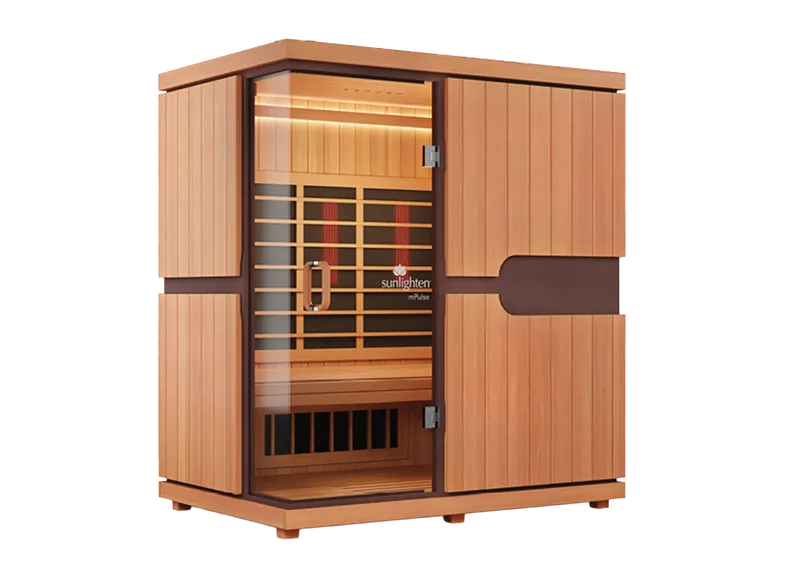
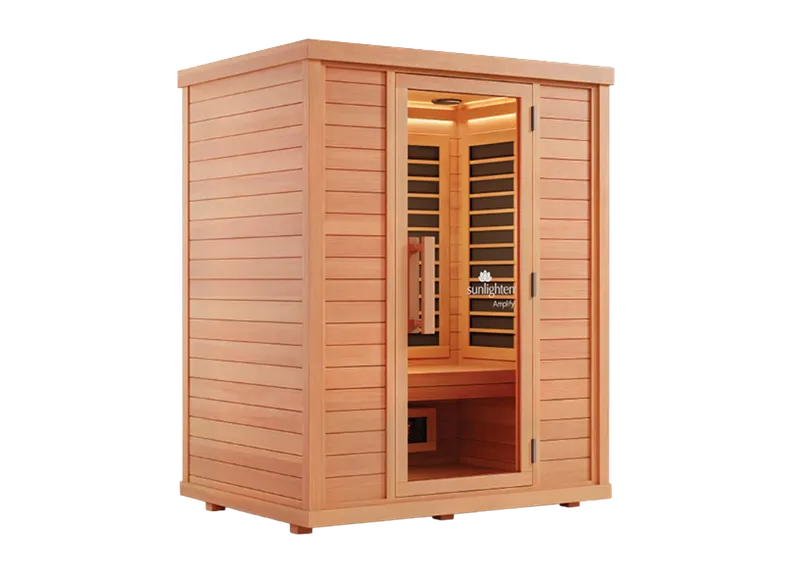
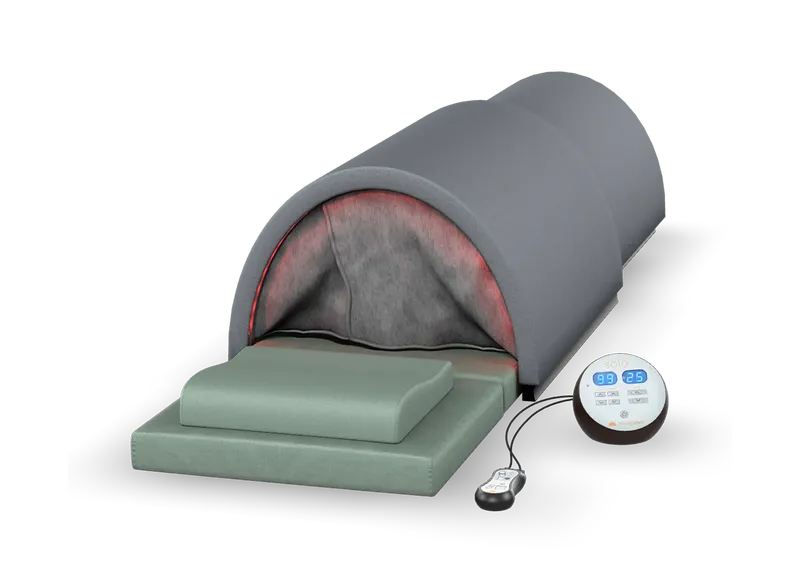
Sauna bathing has been described as a form of passive heat therapy. Research links sauna use to cardiovascular benefits, including improved vascular function, blood pressure support, and other heart-health outcomes.
The key is that sauna heat acts as a type of controlled stress. This idea is called hormesis: a small, intentional challenge that activates heat shock proteins, and encourages the body to become more adaptive over time. Activating heat shock proteins is one of the most important benefits your body receives from the heat in an infrared sauna.
How Infrared Sauna Therapy Supports Resilience
Infrared sauna therapy supports resilience through a whole-body response. As your body adapts to heat, multiple systems are engaged at once—from circulation and the nervous system to hormonal balance and emotional regulation.
Supports the brain
Resilience is shaped by the brain. When your brain is functioning in health, your stress response is well-regulated, you can meet demands without feeling overwhelmed, and you feel steadier and more prepared for what comes next.
Infrared sauna therapy supports this process by increasing circulation throughout the body. Better circulation helps deliver oxygenated blood to more areas of the body, supporting vascular function that may play a role in overall brain health.
Calms the nervous system
Infrared sauna use has also been studied for its effects on autonomic nervous system balance. In studies of far-infrared Waon therapy, sauna use was associated with improvements in the autonomic system balance: increasing parasympathetic activity and decreasing sympathetic activity. These changes are associated with a calmer, more restorative state.
Balances cortisol levels
Cortisol is one of the body’s key stress hormones. It helps you respond to challenge, but when stress stays elevated for too long, it can interfere with recovery, sleep, mood, and overall well-being.
The goal is not to eliminate cortisol. Cortisol is necessary. The goal is to help your body activate when needed, then return to balance. Bringing high cortisol levels down as quickly as possible prevents harmful effects. This is where infrared sauna therapy fits naturally into a resilience routine. Studies suggest that infrared sauna affects cortisol levels, and regular use may help the body adapt to stress more effectively.
Promotes mind-body connection
Resilience is not only physical. It is emotional. A sauna session asks you to be present with heat, stillness and sensation. That practice builds a powerful mind-body connection. In stillness, there is always the impulse to leave, fidget, rush, or mentally check out. But by staying present, you train emotional regulation. You learn that calm is something you can return to.
After the session, many people experience a sense of lightness, clarity and release. This post-heat state may be connected to the body’s shift toward recovery, including parasympathetic nervous system activity, the “rest and digest” side of the nervous system.